
The insurance advisory for commercial real estate.

Founded by owners, for owners.

Start with the Analysis

Illustrative example.

Harbor & Oak

We couldn’t find the advisory we wanted, so we built it.

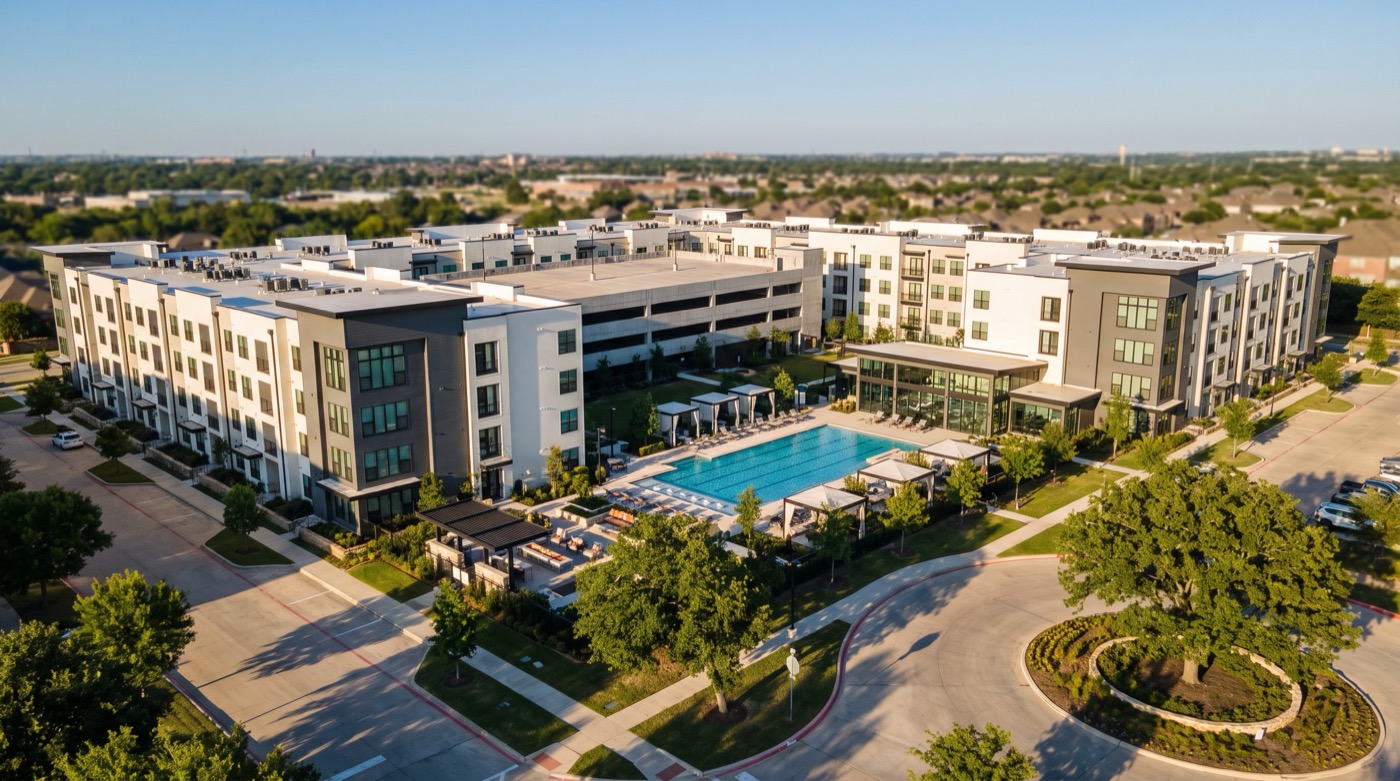
Harbor & Oak was founded by the Orison Holdings team, a North Texas-based commercial real estate group that has developed and holds over $600 million of property in the region. For decades we bought insurance the way you do, as owners. Harbor & Oak is the advisory we wished we could hire.

The first policies we placed were our own. Before we offered our services to anyone else, we moved Orison’s own portfolio: multifamily, industrial, retail, and senior living, plus the policies for our operating companies. Reading our own programs line by line saved hundreds of thousands of dollars in premium and closed coverage gaps potentially worth millions.

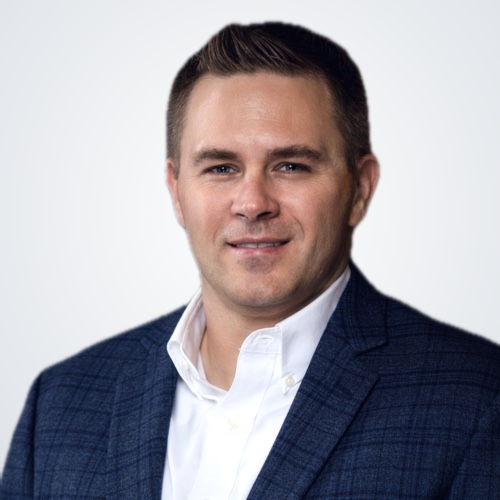
  • Wes ByrneCo-founder and managing partner
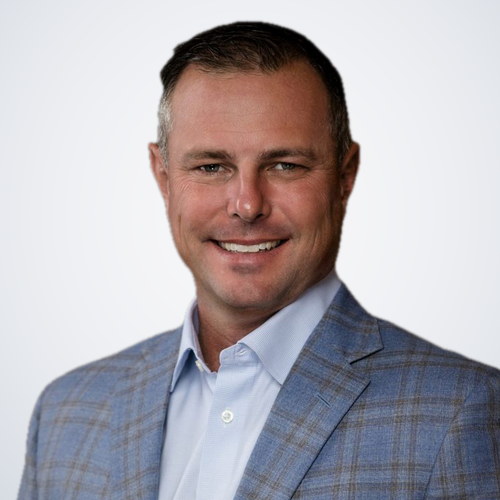
  • Lee RamseyCo-founder
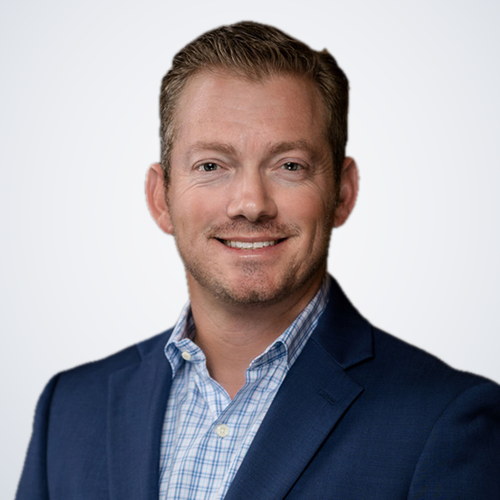
  • Brandon MartinoCo-founder

Commercial real estate is our specialty.

Each asset class gets its own markets, its own data, and its own playbooks.

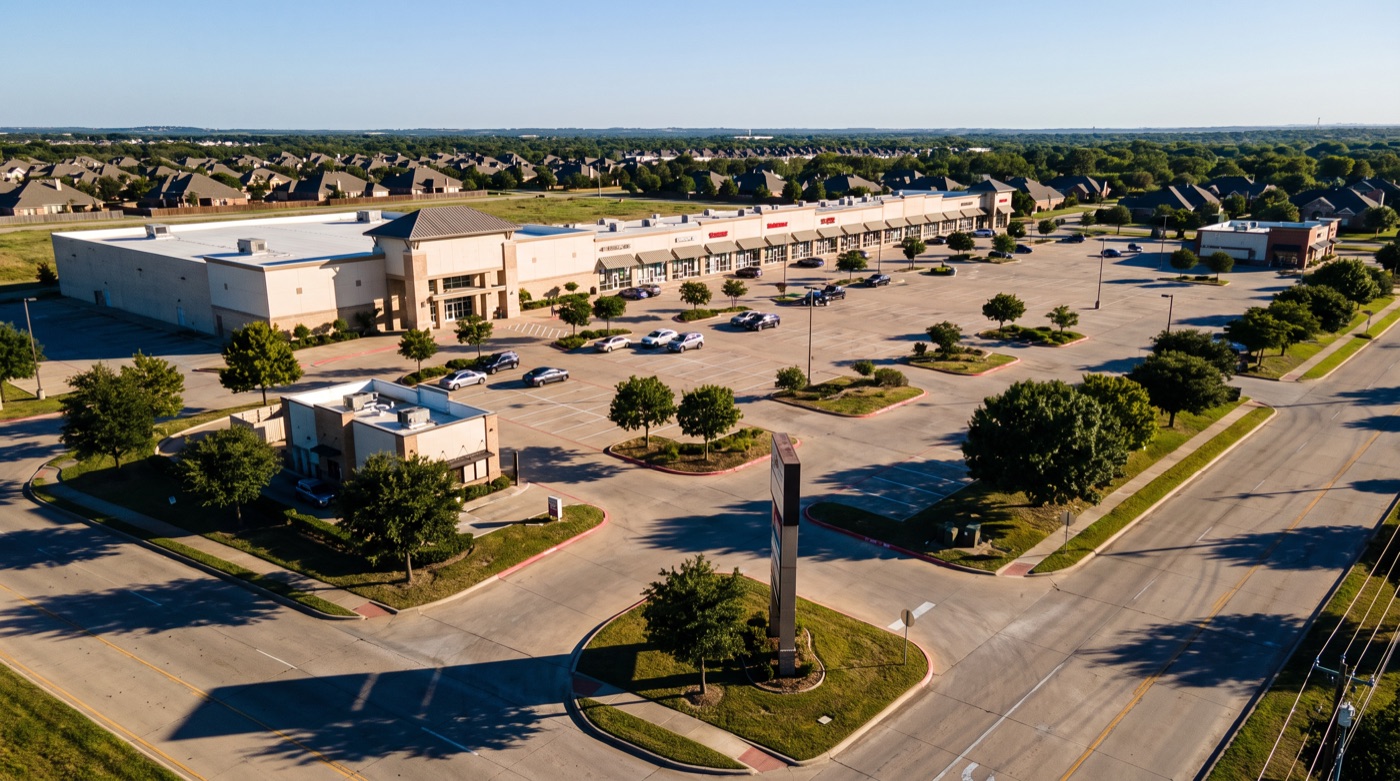
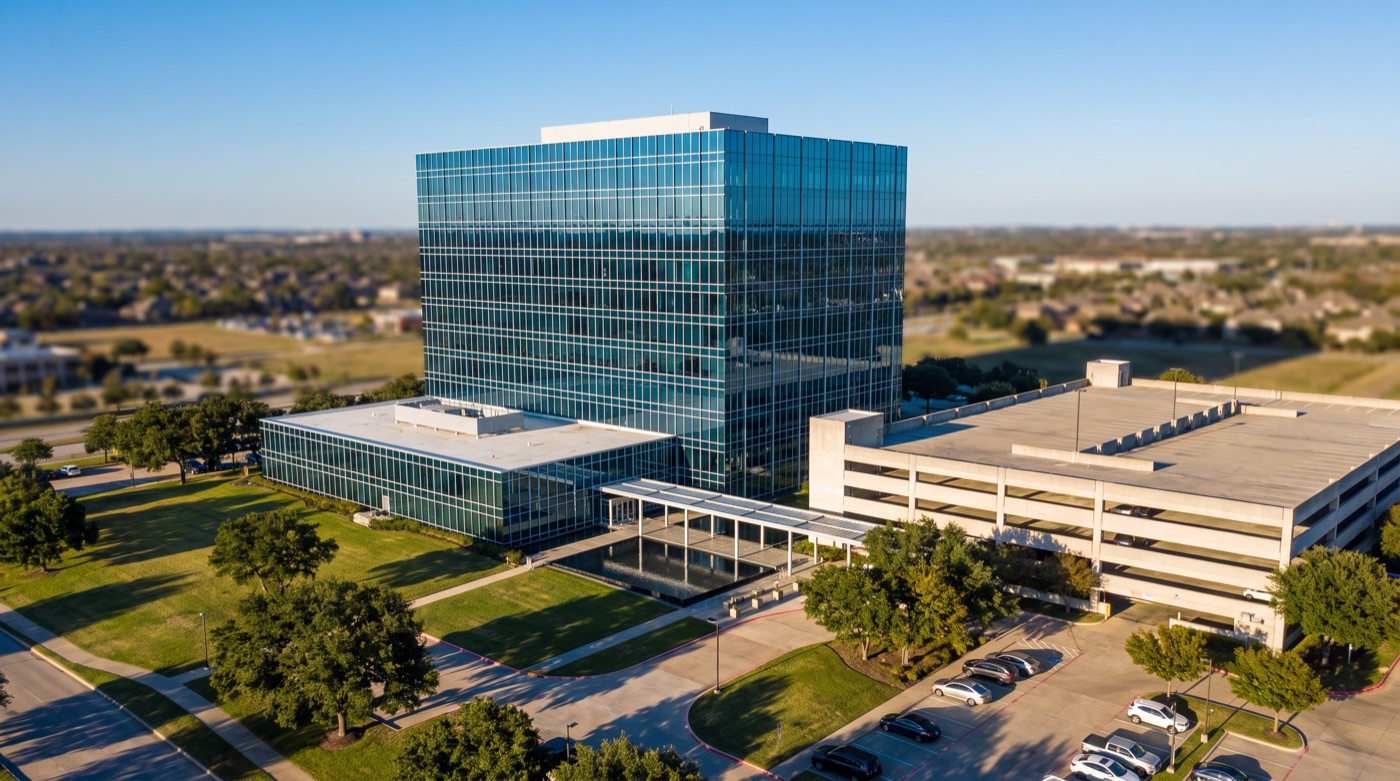
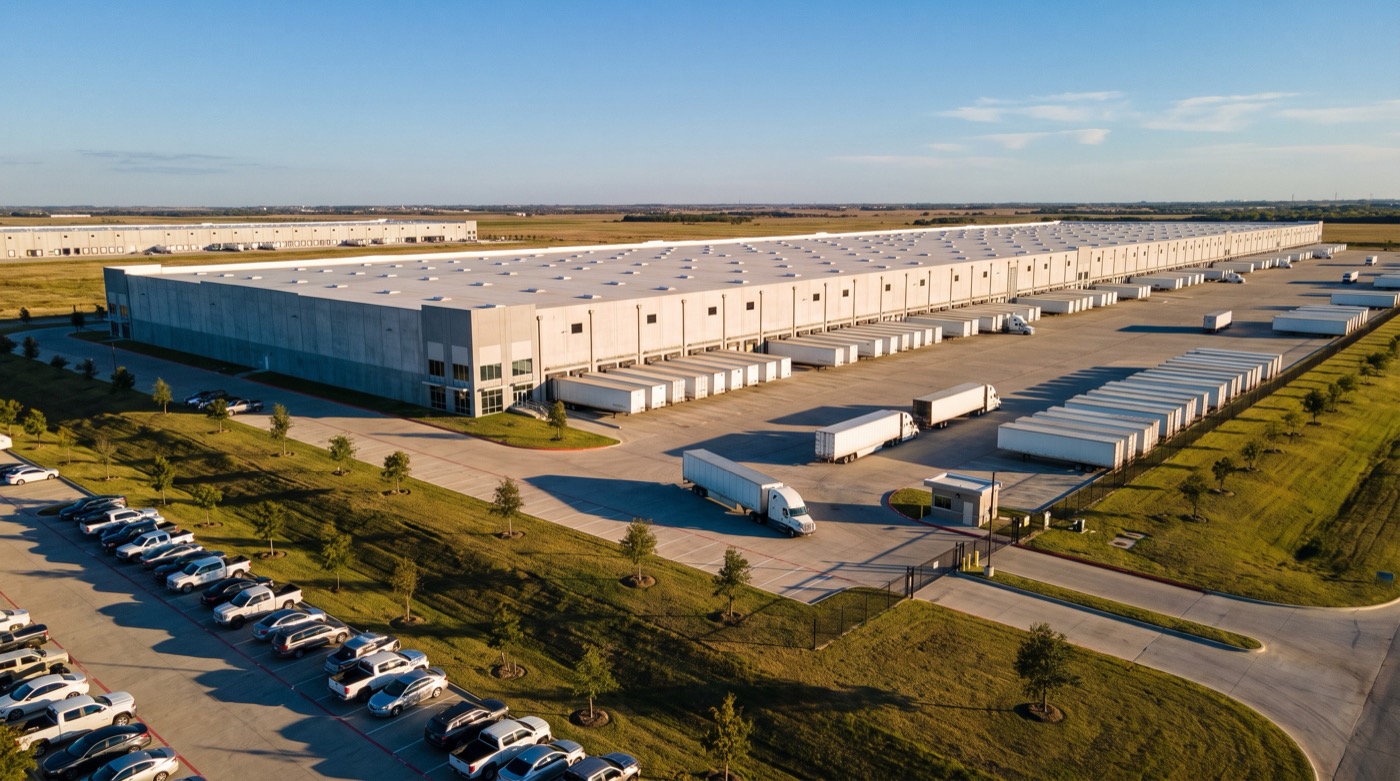
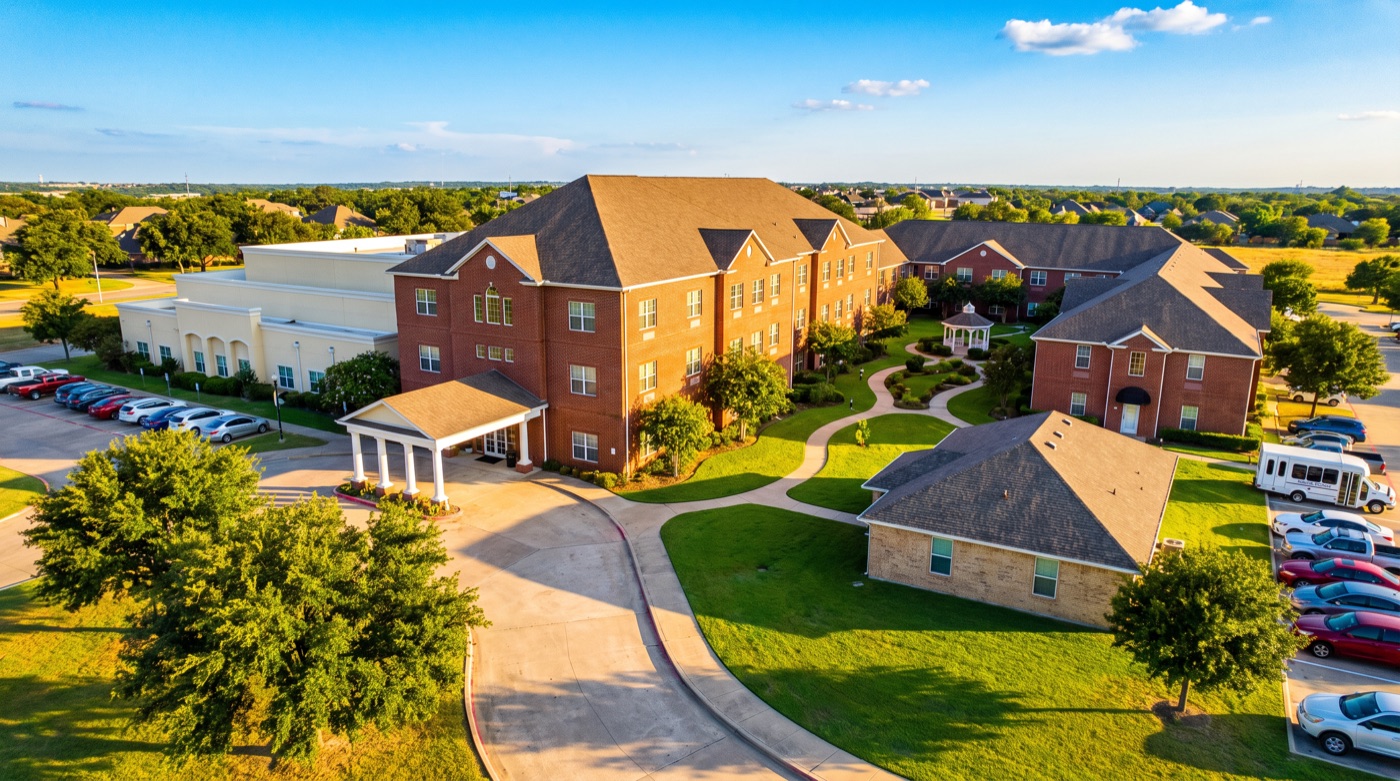
MultifamilyGarden, mid-rise, and student housing. RetailStrip centers, pads, and single tenant. OfficeSuburban, medical, and flex. IndustrialWarehouse, distribution, and light manufacturing. Senior livingIndependent, assisted, and memory care.

The problem with renewals

Commercial property premiums are down 1325%.

Is your renewal?

A policy has to be shopped to harvest the savings, and that takes time, discipline, and judgment.

A renewal you can’t compare is a renewal you have to accept.

Commercial property premiums fell while a typical renewal rose A solid line for average premiums peaks in late 2024 then falls 21 percent by 2026, while a grey line for an unshopped renewal drifts up 7 percent over the same period, ending 22 percent apart. 2024 2025 2026 Premiums, market average An unshopped renewal
Up to22%the average difference
Commercial property premiums, market average. Texas, 2024–2026. Drag across the chart, or focus it and use the arrow keys, to watch the gap open. Illustrative, based on Texas market averages. Rate movement: Marsh Global Insurance Market Index, United States, second quarter 2026.

Renewals

Done right.

We shop the policy package and bring back the best options the market will offer.

You see every market we approach, how each proposal compares, and our recommendation explained.

What the market came back with A renewal report listing five markets approached: three quotes, one decline with the reason, and the selected quote marked. Your renewal summary 5 markets approached Market A$196,750 Market BDeclined · roof age Market C$188,200 Market D$204,100 Market E Recommended, and why $178,900
  • We start 120 days out to update your account. Accurate information earns the best terms, and an early start leaves you room to decide instead of react.
  • We market your account to the right specialty carriers, all at once. Specialists get the coverage right. Competition gets the price right.
  • We analyze each quote line by line and go back for final negotiations. Carriers rarely lead with their best terms.
  • We walk you through our recommendation, and every coverage change inside it is explained in plain language before you decide.

Coverage gaps

Policies are often placed only by reading the quote.

Coverage is decided in the forms and endorsements, and what matters most varies by property. The work is knowing what the building needs and making sure the policy reflects it, and that takes time and real expertise.

The claim scenarios that would test the policy are rarely run until there is a claim.

We read every page. All 102 of them.

The quote is a summary of the policy. It is not the policy.

Three places a policy quietly fails.

None of them show up on a premium comparison. All three could show up in a claim.

Coinsurance

THE BUILDING IS INSURED FOR $14,000,000 THE CLAUSE REQUIRES $18,000,000 that is 78% of the required amount SO THE CARRIER PAYS 78% OF EVERY CLAIM $222,222 A $1,000,000 LOSS PAYS $777,778 less applicable deductibles The $222,222 coinsurance penalty comes out of your pocket in addition to your deductible
22%of every claim comes out of your own pocket, at every size of loss, for as long as the building is insured below what the clause requires

Coinsurance requires the building to be insured to a set share of its replacement cost, usually 80–90%. Insure it for less and the carrier pays claims in that same shorted proportion. It is rarely a decision: limits get carried forward year to year while construction costs keep moving, so a building that rebuilds at $200 a square foot sits on a policy still carrying $140. An agreed value endorsement removes the penalty, and it is one of the first things we look for.

Roof coverage

ACTUAL CASH VALUE · DEPRECIATION COMES OFF THE ROOF BEFORE THE CLAIM PAYS ANYTHING and the deductible is three percent of the building, not three percent of the roof ROOF REPLACEMENT COST $1,800,000 LESS DEPRECIATION · 12 OF 40 YEARS −$540,000 ACTUAL CASH VALUE · ALL THE POLICY OWES $1,260,000 LESS WIND AND HAIL DEDUCTIBLE · 3% OF $20M −$600,000 THE CLAIM PAYS $660,000
$1,140,000comes directly out of the owner’s pocket

Roofs are where property claims are won and lost. An older roof is quietly written at actual cash value, and a percentage wind and hail deductible sits on top of the depreciation.

Sub-limits

THE POLICY LIMIT $20,000,000 WATER DAMAGE: CAPPED AT $500,000 ORDINANCE OR LAW: CAPPED AT $500,000 EQUIPMENT BREAKDOWN: $100,000 DEBRIS REMOVAL: $1,000,000 each cap applies before the policy limit
$500,000all a $20M policy makes available for water damage, whatever the actual damage costs

The full policy limit is not available for many of the most common claims. They carry their own, much lower, limits.

01Coinsurance

Coverage

Done right.

We go deep on the property, deep on the forms, and we run claim scenarios before it happens.

  • We build the file first: construction type, roof age, MEP updates, and values set at current construction costs. Nothing gets priced as an unknown, and nothing surprises the carrier later.
  • A detailed policy review, so exposures are covered, limits are adequate, and lender requirements are met.
  • Every program gets a major claims analysis: what a real loss pays, line by line, so there are no surprise out-of-pocket events.
  • Premium is an operating expense like any other. Placing it properly is how you protect NOI and keep NNN costs down.

Marketing to carriers

Part of your premium is based on what the underwriter doesn't know about your building.

Without current values and detailed building information (roof ages, MEP updates, rent rolls, and how the property is managed), a carrier will not give its best quote. Provide all of it and the information gap the underwriter was pricing for simply closes.

Every info gap in the file gets filled with an assumption, and assumptions are declined or priced high.

THE SUBMISSION FILE what the carrier is given THE QUOTE premium dollars
Three blanks, and the underwriter prices every one.
With a complete submission, the info gap the underwriter was pricing for simply closes.

Marketing to carriers

Done right.

Complete information, sent to the right carriers, quotes analyzed & terms negotiated in your favor.

Submission builtvalues · schedules · loss runs, etc.
Marketed to carriersevery one that writes the asset
Quotes and forms read and comparedcovers · excludes · pays
Negotiatedpricing pushed backterms tightenedexclusions struck
  • We hand-select the carriers that actually write your asset class, then go to all of them at once.
  • Every underwriter sees the same complete file, so none of them is guessing.
  • We walk you through every quote: what it covers, what it doesn’t, and what it would pay in a loss.
  • The differences between quotes become actionable information that drives good decision making.

Lenders and investors

Your lender and investor requirements get checked line by line.

If the property carries debt, your loan documents give the lender approval rights over the insurance: which carriers are acceptable, what limits and deductibles are allowed, and who gets paid when there is a loss. Most owners find out where their program falls short at the worst possible time, in the middle of a closing or a refinance.

  • Carrier rating floors checked for every carrier on the program.
  • Deductibles and coverage terms (wind and hail percentages, replacement cost basis, business income, ordinance or law) tested against what the covenants allow.
  • Mortgagee and loss payee wording correct on the right forms.

Who this is for.

  • Developers, owners, and managers of commercial real estate, including multi-asset portfolios.
  • Owners who value diligence, clarity, and long-term protection at a competitive price.
  • That includes sponsors and syndicators with investors, and owners with lender requirements to meet.

Who this is not for.

Owners who value price over coverage quality. There are good agents for that, and we will point you to one.

Get started

Every relationship begins with the Analysis.

A review of the program you have now. What you do with it is up to you.

The Analysis costs nothing and takes five days. It arrives as a written report. It is yours to keep whichever agent you use.

  • The loan documents

    The program read against covenants, lender requirements, and rating floors.

  • Every policy, line by line

    What is covered, what is excluded, and what the exclusions cost in a real loss.

  • The casualty structure

    Limits, layers, and deductibles, tested against the loss history.

To do a good analysis you need to know the building.

Include a messageOptional

Three ways to act on the findings.

01

Have it fixed where you are

Hand the report to your current agency and have them make the corrections.

02

Bring us in to advise

We work alongside your agent until every finding is closed.

03

Move the program to us

One signed letter makes us your agent of record. Nothing cancels in the process, and lender compliance is documented through the transition.

How we work, once you’re a client.

  1. 01You reach a producer, not a service center.
  2. 02Calls and emails are answered the same business day.
  3. 03Every claim is handled by us, start to finish.
  4. 04Any change to your coverage is explained in writing before it takes effect.